
Press Room Solidarity
What is the trade-off between burnout and idealism?
Thanks for reading my newsletter! All opinions expressed here are strictly my own. Find me on TikTok, Instagram and Bluesky. Ultracold publishes every Monday and my debut book Entangled States: A Life According to Quantum Physics is now available everywhere books are sold.
PRESS ROOM SOLIDARITY
A scientist recently told me that when they were young they thought that once you became a professional researcher some shadowy cabal of elders simply handed you unsolved problems and that’s how you made a living. We bonded a little; I had also once thought that doing research is like grabbing things off some scientific mystery conveyor belt. In reality, academia is a more complicated machine than a conveyor belt, it’s just hard to see all its gears from the outside. Journalism shares that quality. What a publication sounds like, what it chooses to report on and when it chooses to stay silent, what headlines get pushed out into the world most aggressively, it’s all a consequence of many gears turning behind the scenes and many hands pulling on many levers. How can you work within it without feeling like a cog, or becoming one?
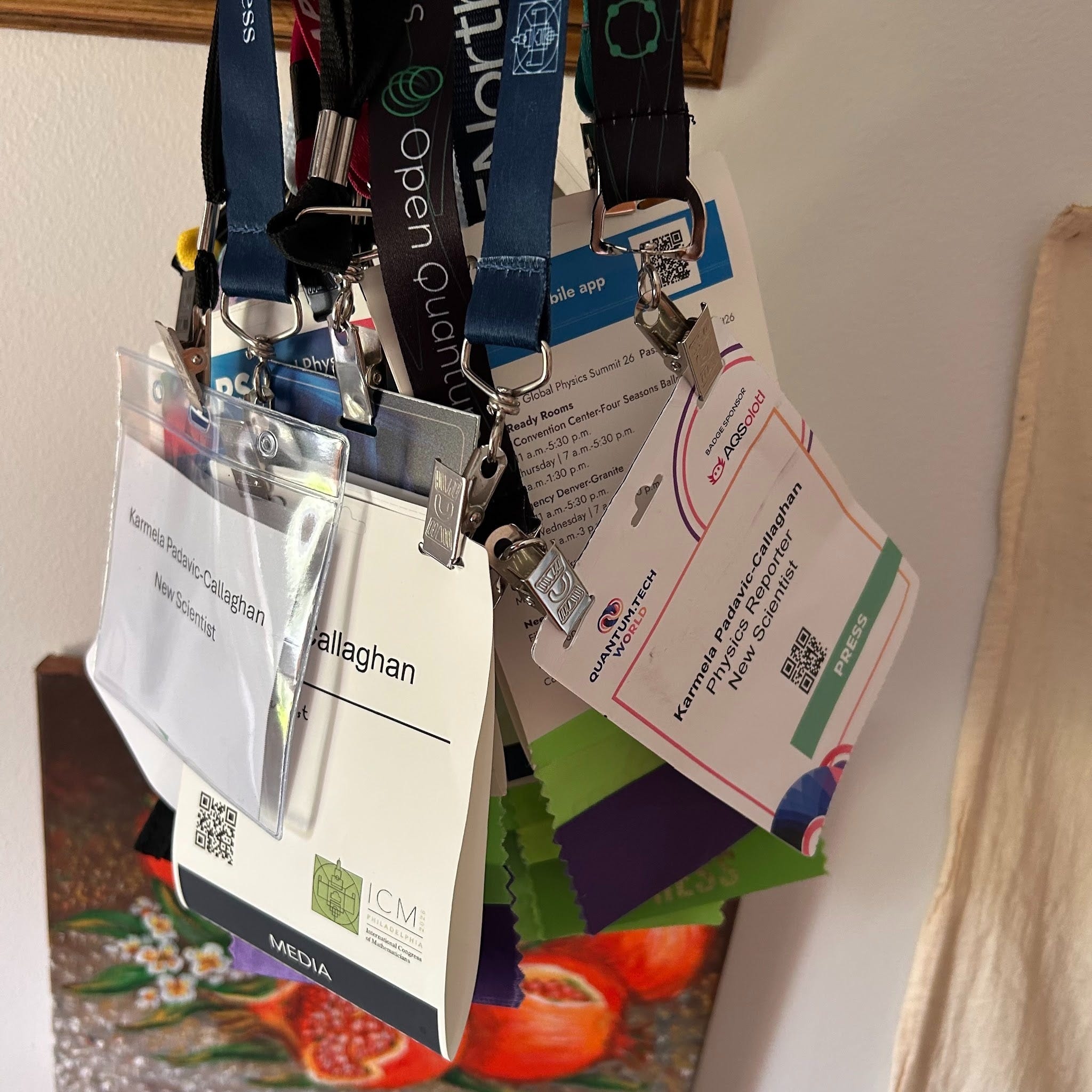
In my memoir Entangled States I wrote about how in my twenties my personality became so shaped by years spent as a physicist-in-training that it became easy, natural even, to justify most sacrifices for the benefit of my work. Accordingly, when I left academic physics it felt like leaving behind a huge portion of myself. At my next job, which was teaching physics to young people, I got very invested in the work all over again and again ended up working overly long hours for insufficient pay. I’m doing the same at my magazine job now too. The pattern here is clear: my sense of self is inextricably tied to what I do. The machine, whether it be academic, journalistic or educational, however, rarely cares about your sense of self.
“You were right, it was good while it was good and now it’s bad,” a friend who writes for a rival publication told me at a recent conference. We were there to report similar stories but we commiserated instead of competing. Last time we had seen each other, I was reeling from several of my colleagues having gotten laid off, now the same happened at my friend’s workplace. In the press room, other journalists offered solidarity as much as they fished for gossip. Most of us there had entered journalism when it was already in crisis and we started building careers knowing that the foundations meant to hold them up were crumbling. When we say to each other “it’s bad out there right now,” this is not novel or shocking. If we have an idol at another publication, we are always at risk of finding out that the crisis has come for them too.
By the end of the conference’s second day everyone in the press room complained about being tired. Sitting next to me at a late night lecture, my friend was downing warm caffeinated sodas to stay sharp. Then, the lecture started, my friend pulled out his notepad and then he did his job—and so did the rest of us. Before I ran off to my next thing my friend wondered out loud whether this lecture ought to be a scene in the piece that he was working. For a split second, my mind crackled with a new kind of aliveness, that feeling that you get when the edges of a potential story slowly start coming into view.
I forgot everything about my unreasonable workload, my painfully unchanging paycheck and the colleagues that I still miss and blissfully talked shop for a minute. My friend had already jotted down another great scene from earlier in the day and it was clear to me that he’d pull together a great story. I was reminded that being a journalist really can be so intellectually stimulating and fun. There is a real thrill to being on assignment, a real adrenaline rush to breaking news or scoring a big interview, and I find it genuinely pleasurable to talk about words and structure with anyone who still believes in robust, practiced, disciplined, human writing. The machine has not managed to grind that out of me just yet.
I thought back on this conversation the following Monday while laying out my post-conference to-do list to a coworker and they plainly observed that my week was bound to be hell. “I mean, yes,” I said, hearing the words but unable to conceptualize anything other than doing the work. I shrugged. They were good stories, they would get done. By the end of the day on Friday my to-do list was clear and I was exhausted. But there was a tinge of satisfaction to it too, a bit of pride that felt necessary and devastating in equal parts.
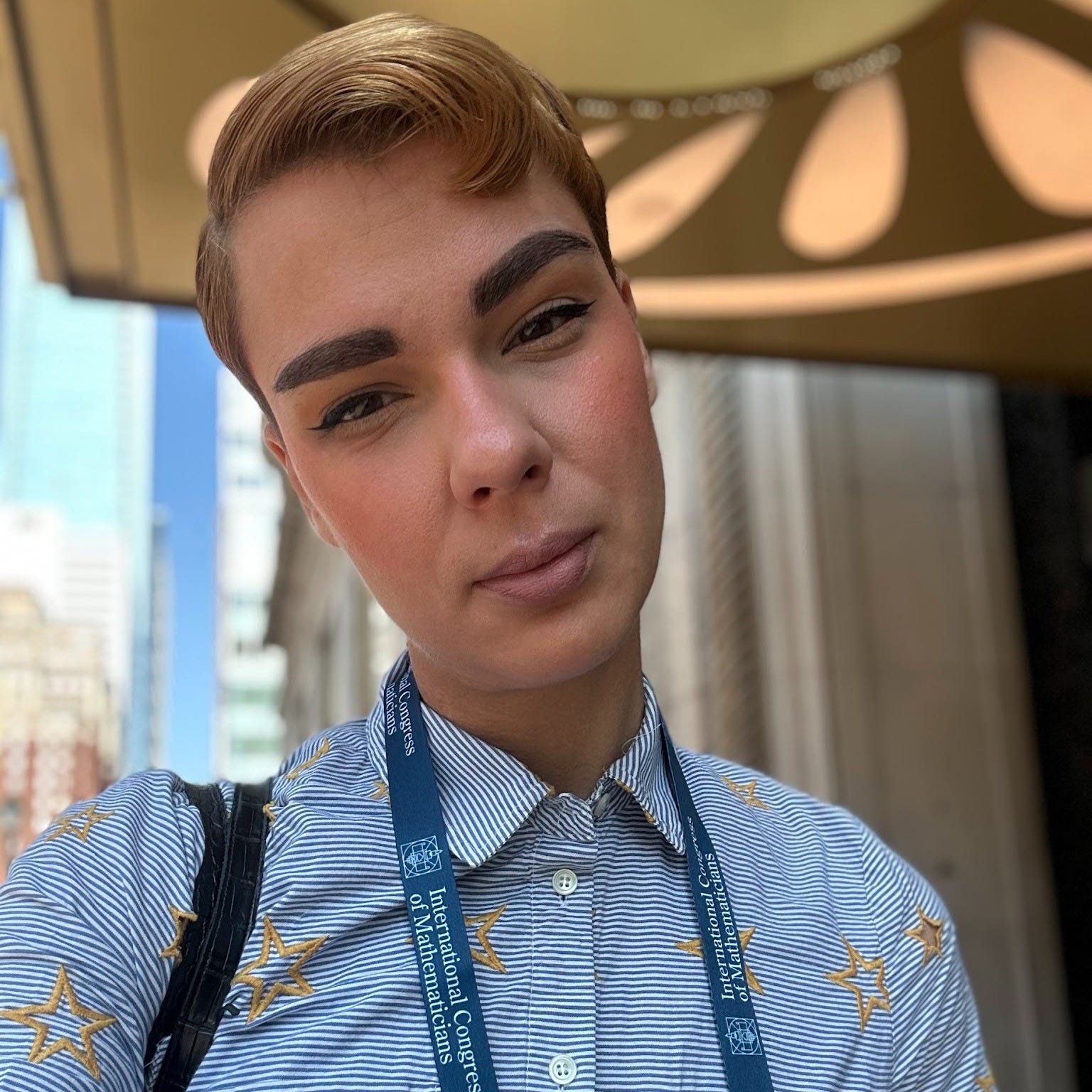
When I was in graduate school I was often told that I am lucky to be a physicist and spend my days studying something that only very few people care about. My low pay and long hours back then were the price of following curiosity. And if that wasn’t enough to justify always being broke and tired, well, was I not contributing to the overall body of human knowledge about our world? I could call this exploitative or use a buzzword like gaslighting, but it was all true - I was both struggling financially and lucky to be doing work that felt meaningful in my bones.
I feel writing in my bones too. Sometimes I even feel ambition, a latent desire to leave behind a legacy of work that matters. And because most of my writing goes through a process that involves editors, copy editors and strict editorial standards, it feels like a vetted entry into the corpus of human knowledge too. Every year I am a little less embarrassed to say that this is my calling. It’s what keeps me going through hellish weeks, it’s in part why I cannot let go of the work.
As a science journalist, the work is also not just about me. Right now, public trust in science is on the decline, health misinformation rules social media, the government is actively working to discredit whole fields of science, and tech companies are snatching the narrative on what progress looks like. Science journalism really could matter in a big way right now. Even within the very narrow area of science that I report on, I am trying to provide a service to the reader, to help them be a better citizen by being more informed and by exercising their intellectual faculties. I’ve always wanted to do good in the world and I believe that I landed in a profession that lets me give it a go every day.
And so I find myself in the same bind that I had faced as a physicist and later as a teacher—my work is meaningful but my working conditions challenging. I feel strongly, internally compelled to keep working, to keep reporting and writing, but I also have to pay rent, buy groceries and protect my free time. There seems to be a constant trade-off, the high of reporting a really great story and knowing that it will further the reader’s understanding of the world pitted against my physical, mental and financial health. Often, I tell myself that I ought to care less about what I do, that it would be less easy for anyone to ask me to do too much if I didn’t feel so emotionally tied to the work’s value. But when I am less tired and more calm I am fully convinced that giving up and being more indifferent to the state of our physical reality simply cannot be the answer.
In some sense, the resolution here is simple: the late capitalist model of how media is run and funded must change. Magazines should be less dependent on profit so less likely to lay off talented reporters or only cover stories that bring the most clicks. Writers everywhere should recognize that they too are labor and organize, use the power of their collectivity. In graduate school, I was part of a labor union and this both fortified me and really opened my eyes to how much solidarity among workers matters. We have it already when we run into each other in press rooms at conferences, but converting that into practical power is a long process.
This is all simple to say and in many ways not shocking — many industries could benefit from focusing on always increasing profits less and the wellbeing of workers more. I know it’s glib to imply that to make journalism and writing more sustainable and better we simply have to change the world. But just as I am not willing to give up on my craft and calling I am also not willing to believe that the world cannot change, that we cannot change it. Worker-owned publications exist already after all, it’s not all just tiredness and despair.
To make it even more personal, I’d rather believe that a better system of work exist than willingly put out the spark that lights up in me when I write. When I see that in other writers, I do my best to materially support them too. Solidarity must transcend words to matter. I hope you are supporting writers and other culture workers as well. Change can only emerge from all of us working together. Banking on togetherness is a sure fire way to avoid numbing ourselves until we accidently become cogs.
Best,
Karmela
That last line is something I should recite daily: "Banking on togetherness is a sure fire way to avoid numbing ourselves until we accidentally become cogs."
Karmela, your writing and reporting on physics continues to be so good, so valuable. As I have said before, I have learned a lot. A lot!
Unions… my aunties who were school teachers (and helped raise me) were activists in the organising of the teachers union in the town where I was born, Elizabeth NJ. And so I was raised with a strong pro-labor commitment. Writers absolutely need to organise.